Remove Wallpaper or Paint Over It: Which Is Right for Your Walls
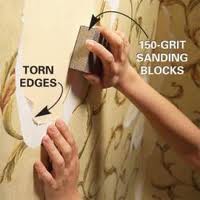
Almost every wallpaper article online lands on the same tidy answer: always strip it, painting over wallpaper is a mistake. That is not what we have seen in 40 years of prepping metro Atlanta walls. The honest answer is that painting over wallpaper is acceptable on a narrow, specific set of walls, and a costly shortcut on all the rest. This is a decision piece, not a how-to. If you want the step-by-step stripping process, read our DIY wallpaper removal guide. Here we are answering the question that comes first: for your walls, do you paint over it or take it down?
Southern Perfection Painting Inc. has served the greater Atlanta area since 1984, and the reason we do not give a one-size answer is simple: we are the crew that gets called after a paint-over fails. Seams telegraph. Bubbles show up under raking light. A corner starts lifting. By then the fix costs more than removal would have cost at the start. So before you buy a gallon, run your walls through the same checks we do.
Can You Paint Over Wallpaper?
Yes, but only when four things are true at once: the wallpaper is fully bonded with no lifting seams or bubbles, it is a single layer, it is a paintable or non-vinyl surface, and the wall behind it is sound. Miss any one of those and paint traps moisture against old adhesive, the seams read through the finish within a few months, and you are repainting or stripping anyway.
Think of paint-over as a decision with hard gates, not a preference. Here is the short version of what has to check out before we would ever roll paint over paper:
- Full adhesion. Press across the wall, especially seams and corners. Any lifting edge, ripple, or hollow spot means the paper is already failing and paint will not save it.
- One layer only. Two or three layers of paper stacked up almost always hide loose adhesive underneath. Paint adds weight and moisture and speeds the failure.
- A paintable surface. Flat printed paper can take primer. Slick vinyl and washable coated papers repel primer, so paint sits on top and peels in sheets later.
- Sound wall behind it. No soft spots, water stains, or musty smell. Wallpaper is not a moisture barrier, and painting over a problem seals it in.
The tell that separates a safe paint-over from a future callback is the seam. A textured or embossed seam will show through any number of paint coats. If you can feel the seams with your eyes closed, paint will not hide them, and only removal plus a skim coat will.
When paint-over is genuinely the right call
There is a real case for it. A guest room or closet with flat, well-bonded, single-layer paper on healthy drywall, where you want a quick refresh and the seams are already smooth, is a reasonable paint-over. Prime with an oil-based or shellac-based primer first so water in latex paint does not reactivate the adhesive, then finish. On the right wall, that holds up fine.
What Is the Best Way to Remove Old Wallpaper When You Should?
When the paint-over gates fail, full removal is the best way, and on most older metro Atlanta walls that means score, soak, and scrape rather than dry-pulling. The reason is the wall underneath. Get the adhesive fully softened, lift the paper at a low angle with a wide dull scraper, then wash every trace of glue off before priming. Removal done right ends in a clean, primed, paint-ready wall. Removal done in a hurry ends in torn drywall facing and a skim-coat job.
The part homeowners underestimate is what happens after the paper is off. The wall is rarely ready to paint the moment the last strip comes down, which brings up the question we get asked most.
Where the shortcut actually costs money
The failures we get called to fix follow a pattern. Someone paints over vinyl paper and it peels in a season. Someone paints over a double layer and the whole assembly starts sagging at the seams. Someone paints over a wall with a hidden moisture stain and it bleeds back through. In each case the paint-over did not save the removal, it added a strip-off-paint step on top of the removal. If your wall is anywhere near these lines, stripping first is the cheaper path, not the expensive one.
The Decision at a Glance
Use this as a quick gut-check. If your wall lands mostly in the left column, a careful paint-over is defensible. If it touches anything in the right column, removal is the honest call.
| Wall condition | Paint over it | Remove it first |
|---|---|---|
| Single layer, fully bonded, flat paper | Yes | Not required |
| Lifting seams, bubbles, or peeling edges | No | Yes |
| Vinyl or slick washable surface | No | Yes |
| Two or more layers stacked | No | Yes |
| Plaster walls in a pre-1960s home | No, assess first | Yes, with care |
| Water stains, soft spots, or musty smell | No | Yes, plus repair |
| Textured or embossed seams you can feel | No | Yes, plus skim coat |
This piece is not for you if
If your paper is already lifting, if the wall is plaster in an older home, or if you are stacked two layers deep, stop weighing paint-over against removal. That decision is already made for you, and the only real question is whether you strip it yourself or hand it off. Painting over any of those walls does not buy you time. It buys you the same removal later, plus a coat of paint to scrape off first. That is the one thing a lot of quick-tip articles will not tell you, because the honest answer loses them the easy sale.
When to Bring in SPPI
When the walls fail the paint-over gates, or you would simply rather hand off the whole thing, that is where our crew comes in. SPPI offers professional wallpaper removal for a paint-ready wall across the metro Atlanta area, with commercial steamers and the technique to take paper off plaster and drywall without gouging the surface. Our crews are W-2 employees, many with us over 15 years, supervised daily by English-speaking foremen, and every job carries a written workmanship warranty.
Because removal and repainting are really one connected job, we handle both. Once the walls are stripped, cleaned, and primed, our interior repainting after wallpaper removal uses premium Sherwin-Williams and Benjamin Moore products as standard, so you get one smooth, finished result from a single contractor instead of coordinating two. We provide free, detailed, itemized estimates with a 48-hour response window. Call 770.985.3075 or request an estimate online and we will look at your walls before quoting.
Frequently Asked Questions
Wallpaper stripping vs painting over: which is cheaper in the long run?
Painting over wallpaper is cheaper up front only when the wall genuinely qualifies: a single, flat, fully bonded layer on sound drywall. On any other wall, painting over it is the more expensive path once you count the redo. Paint traps moisture against old adhesive and the seams telegraph through within months, so you end up stripping the paper anyway, now with a layer of paint on top that has to come off first. Stripping the qualifying wall you did not need to strip wastes a weekend. Painting over a wall you should have stripped wastes the paint and the labor twice.
Does the wall need a skim coat after wallpaper removal?
Sometimes, not always. If the drywall facing stayed intact and the seams were flat, a clean, primed wall paints up fine with no skim coat. A skim coat becomes necessary when removal tears the drywall paper, when the old paper left embossed seam impressions, or on plaster walls where the surface is uneven. In practice, the smoother you keep the removal, the less skim work you need afterward, which is another reason rushing the soak-and-scrape step tends to add cost rather than save time.
Is it ever a mistake to remove wallpaper instead of painting over it?
Rarely, but yes. If you have a small area of flat, single-layer, well-bonded paper with smooth seams on healthy drywall, and you prime correctly with an oil or shellac-based primer, painting over it is a reasonable time-saver. The mistake is treating that narrow best case as the general rule. Most walls that people want to paint over do not meet all four conditions, which is why the default advice leans toward removal.
Working through your own project? Browse the rest of our SPPI Blog for more residential, commercial, and DIY painting guidance across metro Atlanta.