Paint vs Stain for a Wood Fence: Which Lasts Longer in Georgia's Climate

You are standing at the fence with a brush in one hand and a decision to make: paint it or stain it. Both protect the wood, both add color, and both cost you a weekend if you do it yourself. The difference shows up two or three summers later, when one fence still looks solid and the other is peeling along the south and west runs. In metro Atlanta, the climate does most of the deciding for you. Hot, humid summers, heavy spring pollen, and hard UV on west-facing boards all push toward one answer more often than the other. This guide lays out how each finish holds up here, why prep matters more than the product, and where the honest DIY line sits before a coating failure turns into a bigger repair.
Paint vs Stain on a Wood Fence: The Real Difference
Paint forms a film that sits on top of the wood. Stain soaks into the grain and colors it from within. That single difference drives everything else. Paint gives you the widest color range, the most opaque coverage, and a hard shell that hides grain. Stain, especially a solid-color stain, still shows some wood texture, breathes with the board, and tends to fade rather than peel when it wears.
The way a finish fails matters as much as how long it lasts. Paint fails by peeling, which means scraping and full re-prep. Stain fails by fading, which means a clean recoat. On a fence exposed to Georgia summers, that difference is the whole argument.
For fences specifically, that failure pattern is why most exterior-wood pros in this region lean toward solid-color stain. A fence takes sun, rain, sprinkler spray, and ground moisture wicking up from the bottom rail. A paint film that gets water behind it lifts and peels. A stain that has soaked into the grain has nowhere to peel from. You still get rich, opaque color from a solid-color stain, but it wears in a way that is far easier to maintain over the years.
When paint is still the right call
Paint is not wrong for a fence. If the fence was already painted, staying with paint is usually the practical move, because stain will not soak into a surface that already has a paint film on it. Paint also makes sense when you want a crisp, uniform color that matches painted trim on the house, or when the fence is a decorative privacy panel rather than a workhorse boundary fence. The tradeoff is prep: every future recoat means checking for and dealing with any peeling first.
How Long Does Fence Stain Last in Georgia?
A quality solid-color stain on a properly prepped wood fence generally holds three to five years in the metro Atlanta climate before it needs a maintenance recoat, with semi-transparent stains landing on the shorter end and solid-color on the longer end. Paint can last longer on paper, but only until the film is compromised, at which point the clock resets to zero because you are back to scraping. The honest answer here is that longevity depends less on the label and more on three local factors.
- Sun exposure. The south and west runs of a fence take the brunt of Georgia's UV and the long, hot afternoons. Those boards fade and break down first, often years ahead of the shaded north side. On the fences we coat around the metro, the west-facing run is almost always the first section to need attention.
- Humidity and moisture. Metro Atlanta summers are humid, and wood that never fully dries out is wood that a film-forming paint cannot bond to reliably. Stain's ability to breathe is a real advantage when the air holds moisture the way it does here from June through September.
- Spring pollen. The yellow pine-pollen layer that coats everything across the Atlanta metro each spring is not just cosmetic. Pollen and grime build a film that traps moisture against the finish and dulls it. A fence that never gets washed ages faster than one that gets a rinse each spring.
Prep Is Where Fences Live or Die
Here is the part most DIY guides skip, and it is the part that actually determines whether your finish lasts three years or three months. The coating is only as good as the surface under it. Skip prep and even the best stain or paint will fail early, no matter what the can promises.
- Clean the wood first. Pressure wash or scrub off the pollen, dirt, mildew, and any loose old finish. In this climate that mildew and pollen layer is not optional to remove. Coating over it seals the grime against the wood, and the new finish lets go within a season.
- Let it dry completely. This is the step that gets rushed. After a wash, or after Atlanta's frequent summer rain, the wood needs time to dry all the way through before any coating goes on. Trapping moisture under paint is the number one cause of peeling we see on failed DIY fences.
- Address the failures before recoating. Scrape any peeling paint, spot-treat bare wood, and deal with rot at the bottom rail and posts where ground moisture collects. A stain over a solid, clean surface bonds. A stain over flaking paint or soft wood does not.
- Coat when the weather cooperates. Extreme heat, direct midday sun on the surface, and high humidity all work against a good cure. The finish needs to dry at a reasonable pace, not flash-dry in the sun or stay tacky in the damp.
The single most common reason we get called to a fence is not the wrong product. It is a good product applied over a surface that was not clean, not dry, or not repaired first. Prep is boring. Prep is also the entire job.
The DIY Line: When to Handle It Yourself, When to Call SPPI
A single well-maintained fence in good shape is a real weekend project. If the wood is sound, the old finish is intact, and you are willing to do the cleaning and drying properly, staining a fence yourself is achievable. The job stops being a DIY job when prep gets complicated or the fence has already started to fail.
Handle it yourself when
- The fence is structurally sound with no rotted posts or rails.
- The existing finish is intact or the wood is bare and clean.
- You can commit to washing, full drying time, and coating in decent weather.
- It is a maintenance recoat, not a rescue from a failed finish.
Call a professional when
- Paint is already peeling and you are facing large-scale scraping and re-prep.
- There is rot at the posts, base rails, or panels that needs repair before coating.
- The fence is long enough that surface prep alone is a multi-day job.
- You are switching from paint to stain and are not sure whether the old film will let stain absorb.
When you hit that line, that is the moment to bring in professional fence painting and staining across metro Atlanta. SPPI has served the greater Atlanta area since 1984, our W-2 crews are supervised daily by English-speaking foremen, and every job carries a written workmanship warranty. We pressure-wash and prep first, use premium Sherwin-Williams and Benjamin Moore solid-color stain and paint systems, and handle any wood repair the fence needs before a drop of finish goes on.
Fences and Decks Use the Same Playbook
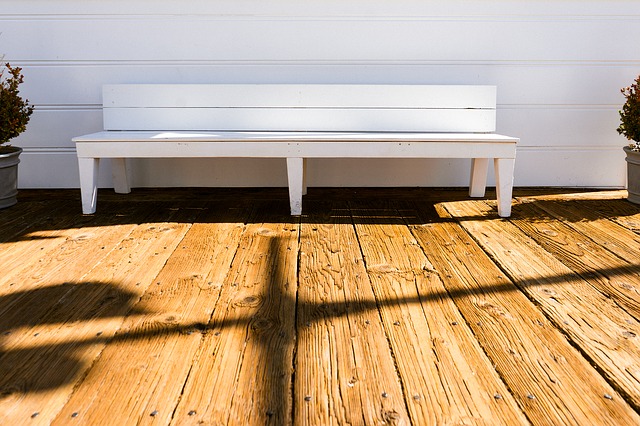
If you own a fence, there is a good chance you own a deck too, and the good news is the logic carries straight over. A deck takes even harder wear than a fence because you walk on it, so foot-traffic abrasion joins the sun, humidity, and pollen. That is why exterior wood on both surfaces gets the same treatment: clean, dry, repair, then coat with a system built to fade gracefully rather than peel.
We use the same solid-color coating systems on decks that we use on fences, with the same prep-first approach and the same premium materials. If your fence and deck are both due, coating them in one visit is often the most efficient way to protect all of your exterior wood at once. Free, detailed, itemized estimates come with a 48-hour response window. Call 770.985.3075 or request an estimate online and we will take a look before quoting.
Frequently Asked Questions
What is the best fence stain for humidity?
In a humid climate like metro Atlanta's, a solid-color exterior stain is generally the better choice for a wood fence than paint. Because stain soaks into the grain and breathes with the wood, it tolerates the moisture cycling of Georgia summers without the peeling that a film-forming paint risks when moisture gets behind it. The bigger factor than the specific product is prep: the wood has to be clean and fully dry before coating, or humidity trapped under any finish will cause it to fail early. SPPI uses premium Sherwin-Williams and Benjamin Moore solid-color stain systems and pressure-washes and dries every surface before coating.
Is it better to paint or stain a wood fence?
For most wood fences in the Atlanta metro, solid-color stain is the more forgiving choice because it fades rather than peels, which makes future maintenance a clean recoat instead of a scrape-and-re-prep job. Paint still makes sense if the fence was already painted, if you want a fully opaque uniform color to match painted trim, or on decorative panels. The wrong finish applied over poor prep will fail either way, so the decision matters less than cleaning, drying, and repairing the wood first.
How often should I recoat a fence in Georgia?
Plan on a maintenance recoat roughly every three to five years for a solid-color stain in the metro Atlanta climate, with the south and west-facing runs typically needing attention first because they take the most sun. A yearly rinse to clear off spring pollen and grime extends the life of the finish and gives you a chance to spot early wear before it turns into a full failure.
Browse the rest of our SPPI Blog for more residential, commercial, and DIY painting and coating tips across the metro Atlanta area.