Preparing Your Home for Interior Painting Before the Georgia Winter
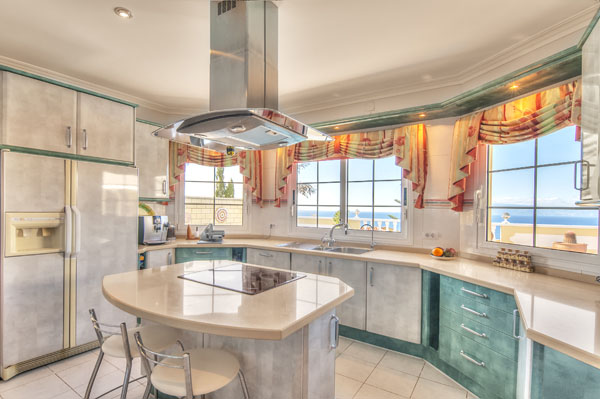
You want the inside of your house repainted, and you are wondering whether now, heading into the cooler Georgia months, is the right time to do it. It is. As metro Atlanta moves out of the humid summer and the windows stay shut through the holidays, your rooms turn into closed-up, climate-controlled spaces, and that is exactly the condition interior paint wants to cure in. The catch is that a good interior job is won in the prep, not the color, and the prep is the part most people rush.
Southern Perfection Painting Inc. (SPPI) has served Gwinnett County and the greater metro Atlanta area since 1984, and after 42 years painting interiors through Georgia winters we do not schedule this work by the calendar alone. We schedule it by how the rooms behave, how the walls take prep, and how the paint cures in a heated, closed-up house. We are fully licensed, bonded, and insured, our estimates are free, and we guarantee no change-order surprises: the number we quote is the number you pay. Here is how to get your home ready, and where the honest DIY line sits.
Is Fall and Winter the Best Time to Paint the Interior of Your House?
Yes. In metro Atlanta the cooler September-through-February window is the best time to paint interiors, because the rooms are closed up and climate-controlled, the humidity that fights a summer interior job has dropped, and you are not competing with the exterior season for a crew's time. A heated house at a steady temperature and lower indoor humidity is close to the ideal condition for interior paint to flow out and cure.
There is a practical reason too, and it has nothing to do with chemistry. Georgia's hot, humid summers and frequent afternoon thunderstorms drive the exterior painting season, so spring and summer are when crews are stretched thinnest across outside work. When the weather turns and exterior projects wind down, interior scheduling opens up. If you have been putting off a repaint, the cooler months are when it is easiest to get a trained crew into your house on your timeline instead of squeezing between rain days.
How Do You Prep a Room for Interior Painting?
Prepping a room for interior painting is a clear-clean-repair-mask sequence, and it is where the finish is actually won. A premium coat rolled over dirty, cracked, or un-caulked walls still looks like a rushed job, so the surface work is the part that decides how the room reads when it is done. Here is the order our crews run before a brush touches a wall.
- Clear and center the furniture. Move everything to the middle of the room and cover it, or move it out entirely. Take down curtains, art, and switch plates so nothing gets painted around or over.
- Protect the floors and fixtures. Drop cloths on the floor, mask baseboards, and cover or remove light fixtures and outlet covers. In a closed-up winter room there is nowhere for overspray or drips to hide, so the masking has to be thorough.
- Clean the walls. Dust, cooking grease in kitchens, and grime along switch and doorway zones all keep paint from bonding. Walls get wiped down so the new coat grips clean surface, not a film of dust.
- Repair before you paint. Patch nail pops, hairline cracks, and old anchor holes, then caulk the gaps along trim, corners, and crown molding. This is the step that separates a real repaint from a roll-over. On older inside-the-perimeter homes, pre-WWII bungalow plaster and mid-century ranch trim often need more careful patching than a newer North Fulton subdivision wall.
- Prime the repairs and bare spots. Fresh patches and exposed drywall get spot-primed so they do not flash through the finish coat as dull patches once the paint dries.
- Ventilate on your terms. With premium low-VOC and low-odor paint the smell is far milder, but you still want some air movement. In winter that means cracking a window briefly or running the HVAC fan, not leaving the house wide open to the cold.
"The rooms that turn out best are never the ones with the fanciest color. They are the ones where the nail pops got patched, the trim got caulked, and the switch-plate zones got cleaned before anyone opened a can. That prep is invisible when it is done and glaring when it is skipped."
This is also where the low-VOC choice earns its keep in a closed-up winter house. When the windows are shut for the season, the strong solvent smell of builder-grade paint lingers in bedrooms and nurseries for days. SPPI uses premium low-VOC and low-odor Sherwin-Williams and Benjamin Moore interior lines as standard, which means you can use the room again far sooner, an advantage that matters most in exactly the cold months when you cannot air the house out. If your walls still carry dated wallpaper, that comes off as the first step, before any of the wall prep above, so you are painting a clean, sound surface. If you would rather hand the whole sequence to a crew, our professional interior painting team runs it on every job.
How Often Should You Repaint the Interior of Your Home?
Most interior spaces want a repaint every five to seven years, but the number moves with the room and the traffic, not the calendar. High-wear areas like hallways, kids' rooms, kitchens, and entryways scuff and need refreshing sooner, often every three to four years, while a formal dining room or a guest bedroom that barely gets touched can hold a good finish closer to a decade. Ceilings go the longest of all.
Rather than counting years, read the walls. A few signals tell you a room is ready before the calendar does:
- Scuffs and marks that no longer wipe clean. When a magic-eraser pass starts burnishing a shiny spot instead of lifting the mark, the finish is worn.
- Dull, chalky color in high-light rooms. Sun-facing walls fade over the years, and the fade shows worst where the winter light rakes across a wall.
- Yellowing or dinginess on trim and ceilings. White trim and ceilings drift warm and dingy long before the walls look tired, which is why refreshing them often makes a whole room read new.
- Hairline cracks and nail pops reappearing. Seasonal movement in a heated, closed-up house reopens old patches, and those are a cue to repair and repaint the wall rather than spot-fix forever.
If you are painting to sell, the timeline compresses. A fresh, neutral interior is one of the highest-return refreshes before a listing, and the cooler months are a practical window to get it done between the summer and spring selling seasons. Want a straight read on which rooms actually need it? Call us at 770-985-3075 and we will tell you honestly which walls can wait.
What Interior Paint Sheen Should You Use for Living Rooms and Bedrooms?
For living rooms and bedrooms, an eggshell or satin sheen is almost always the right call, because it is scrubbable enough to clean without the plasticky shine of semi-gloss and forgiving enough to hide the small wall imperfections that a glossier finish would spotlight. Save flat for ceilings and low-traffic formal rooms, and save semi-gloss and gloss for trim, doors, and cabinets where you want durability and a crisp line against the wall color.
Sheen is not a style choice as much as a wear-and-light choice, and it changes room to room:
- Ceilings: flat. It hides drywall texture and roller marks and never draws the eye up into a shiny plane.
- Living rooms and bedrooms: eggshell or satin. Cleanable, low-glare, and kind to imperfect walls in raking winter light.
- Hallways, kitchens, kids' rooms, baths: satin, sometimes semi-gloss in the busiest or dampest spots, for scrub-ability where hands, steam, and traffic hit the walls.
- Trim, doors, and cabinets: semi-gloss or gloss. It stands up to touching and cleaning and gives you the sharp line between trim and wall that makes a repaint look finished.
"The mistake we correct most is a whole house rolled in one sheen. Flat everywhere hides flaws but will not clean, and satin everywhere makes ceilings glare. Matching sheen to the room and the light is half of why a professional repaint reads better than a DIY one."
Color reads differently under a whole wall of winter light than it does on a chip, which is why our estimators help you narrow the Sherwin-Williams and Benjamin Moore palettes to tones that suit each room's natural light before a brush touches the wall. If the project also touches your kitchen, ask about coordinating the walls with kitchen cabinet painting so the whole space reads as one finished project rather than new walls around dated cabinets.
When Interior Painting Now Is the Wrong Call, and We Will Tell You
We would rather lose a quick job than book one we know will disappoint. Do not schedule an interior repaint yet if the room's real problem is an active moisture source, a roof or plumbing leak, or persistent condensation staining a ceiling, because paint over an unresolved leak just hides the problem until it bleeds back through. That is a repair to fix first, and in some cases it is another trade's work entirely, since SPPI is a painting contractor, not a general contractor or a roofer. Likewise, if you repainted a low-traffic guest room three years ago and it still looks clean and holds its color, you do not need to redo it yet, and we will tell you to spend the project on the hallway or kitchen that is actually worn instead. And if the walls are covered in heavy, layered old wallpaper or failing plaster in an older bungalow, that is a bigger prep scope than a weekend of DIY, which is exactly the case where handing it to a crew saves you from a half-stripped wall you cannot finish.
Why the Season, Not Just the Color, Decides the Plan
The thread through all of this is simple. A metro Atlanta interior repaint is easiest and cures best in the cooler, closed-up months, but only if the prep is done right and the sheen is matched to how each room lives and lights. The color is the fun part; the patching, caulking, priming, and sheen decisions are the part that decides whether the room still looks sharp in five years.
Every SPPI interior project starts with a walk-through, followed by proper cleaning, drywall and trim repair, priming, and premium low-VOC Sherwin-Williams and Benjamin Moore coatings matched to each room, all by our own trained W-2 crews supervised daily by an English-speaking foreman, and backed by a standard 1-year interior warranty on labor and materials. Nobody's perfect, but we get pretty darn close, and getting the season and the prep right before we open a can is a big part of how we get there.
Frequently Asked Questions
Should you hire an interior painter or do it yourself?
Hire a professional interior painter when the job is bigger than a single accent wall, when the prep is real, or when the finish has to look right the first time. A one-wall color change with sound, clean drywall is a reasonable DIY weekend. But a whole-house or multi-room repaint in a closed-up winter house involves moving and protecting furniture, patching nail pops and cracks, caulking every trim line, spot-priming, cutting clean lines along trim and crown molding, and matching sheen room by room, and that is where DIY jobs stall or come out looking rolled-over rather than repainted. A crew also brings the low-VOC premium products, the daily foreman supervision, and the $1 million in liability coverage and full workers' compensation that mean any ladder mishap in your home is covered by our insurance, not yours. If you are on the fence, have SPPI look at the rooms during a free estimate and we will give you a straight read on what you can DIY and what is worth handing off.
How long does interior paint take to dry and cure in winter?
Interior paint is usually dry to the touch within an hour or two and ready for a second coat within a few hours, but full cure, the point where the finish reaches its final hardness and scrubbability, takes longer, often two to three weeks. In a heated, closed-up Georgia house with steady temperature and lower indoor humidity, cure conditions are actually favorable, better than a humid summer room. The main winter adjustment is ventilation: with premium low-VOC and low-odor paint the smell is mild, but you still want a little air movement, so we run the HVAC fan or crack a window briefly rather than leaving the house open to the cold. Give a freshly painted wall a couple of weeks before you scrub it hard or rehang heavy art on fresh patches.
Get a Straight Read on Your Interior Project
The surest way to know which rooms are ready, what sheen each one wants, and how much prep the walls really need is to have someone who paints these metro Atlanta interiors walk the space with you. We offer free, detailed, itemized estimates with a 48-hour response window, and we guarantee no change-order surprises. The number we quote is the number you pay. Call us at 770-985-3075 or request one online.
Learn more about our professional interior painting services across Gwinnett County, see how we approach interior painting in Grayson, or read about kitchen cabinet painting as part of a coordinated interior refresh.
Request your free interior painting estimate today and let Southern Perfection Painting get your rooms ready before the Georgia winter sets in.