The Best Interior Paint Sheen for Each Room in a Georgia Home
You picked the color. Now the paint store is asking whether you want flat, matte, eggshell, satin, semi-gloss, or gloss, and it turns out that question matters more than the color in the can. The same gray reads soft and expensive in one sheen and cheap and glaring in another, and it wears completely differently depending on the room you put it in. Sheen is how shiny the dried paint is, and it decides two things at once: how well the wall cleans, and how much it shows every flaw the light hits.
Southern Perfection Painting Inc. (SPPI) has served Gwinnett County and the greater metro Atlanta area since 1984, and after 42 years painting interiors across Grayson, Lawrenceville, Duluth, Suwanee, Buford, Snellville, and Dacula we do not pick sheen off a chart. We pick it room by room, by how each space lives, how the light rakes across the wall, and how our humid climate works a finish. We are licensed, bonded, and insured, our estimates are free and itemized, and we guarantee no change-order surprises. Here is the sheen we recommend for each room, and why.
What Is the Best Paint Finish for Interior Walls?
For most interior walls in a Georgia home, eggshell or satin is the best finish, because it cleans without the plasticky shine of semi-gloss and stays forgiving enough to hide the small dings and roller texture that a glossier coat would spotlight. Reserve flat for ceilings and low-traffic formal rooms, and step up to satin or semi-gloss only in the busiest, dampest spots and on trim.
Run from least to most shine, the sheens line up like this, and each one has a home in the house:
- Flat and matte: almost no shine. Hides wall flaws beautifully but is the hardest to scrub. Best on ceilings and low-traffic formal rooms.
- Eggshell: a soft, low glow. The everyday wall finish for living rooms and bedrooms, cleanable and low-glare.
- Satin: a step shinier and noticeably tougher. The workhorse for hallways, kids' rooms, kitchens, and family baths.
- Semi-gloss: a clear shine that wipes clean and takes moisture. Trim, doors, and the busiest kitchen and bath walls.
- Gloss: a hard, mirror-like coat. Cabinets, front doors, and accent millwork where you want a durable, wipeable statement.
What Sheen Should You Use for Ceilings?
Ceilings should almost always be flat, because a flat finish hides drywall texture, seams, and roller marks and never bounces light back down into a shiny plane over your head. A ceiling is a large, uninterrupted surface in raking light, so any sheen at all telegraphs every imperfection, and ceilings take almost no hand traffic, so the scrubbability you give up with flat does not matter here.
The one time we step off flat on a ceiling is a bathroom or a laundry room, where steam and moisture are constant. In those rooms a matte or even eggshell ceiling paint resists mildew and wipes down better than a true flat, which matters far more in a closed-up, humid Georgia bathroom than the small amount of extra shine costs you.

Satin vs Eggshell: Which One for Living Rooms and Bedrooms?
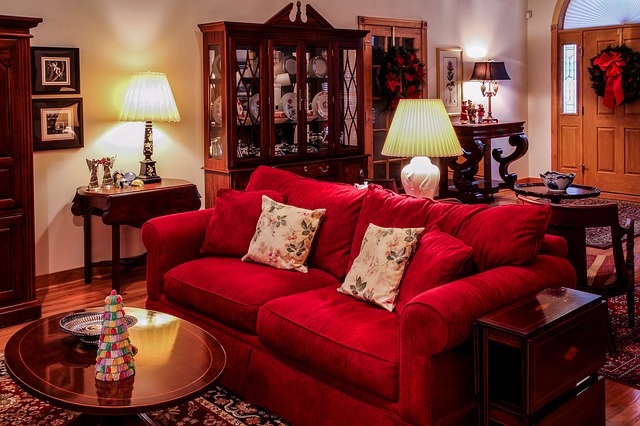
For living rooms and bedrooms, eggshell is usually the right call and satin is the right call when the room takes real traffic. Eggshell has a soft, low glow that hides imperfect walls and reads calm in the natural light, while satin is a touch shinier and noticeably more scrubbable, which is why it wins in a busy family room, a hallway, or a kid's bedroom where hands and furniture hit the walls. The tradeoff is simple: eggshell hides more, satin cleans more.
"The mistake we correct most is a whole house rolled in one sheen. Flat everywhere hides flaws but will not clean, and satin everywhere makes the quiet rooms glare. Matching sheen to the room and the light is half of why a professional repaint reads better than a DIY one."
Light is the deciding factor most homeowners forget. A wall of afternoon western sun in a Gwinnett subdivision family room will pick up every bit of shine and every wall flaw, so in a bright, sun-raked room we lean toward eggshell to keep the surface calm. A shaded north-facing bedroom can carry satin without the glare showing. If your walls are older plaster in a home near a Lawrenceville historic square, eggshell forgives the waviness that satin would light up. Our estimators read the light in each room before recommending a sheen, and you can see how we handle this on a home in our interior painting in Duluth and interior painting in Suwanee pages. Want a straight read on your rooms? Call us at 770-985-3075.
What Sheen Should You Use for Kitchen and Bathroom Walls?
Kitchen and bathroom walls want satin at minimum, and semi-gloss in the wettest, hardest-working zones, because these rooms combine moisture, grease, steam, and constant hand contact that a flatter finish cannot survive. Satin gives you a scrubbable wall that still looks like a wall and not a plastic panel, while semi-gloss goes on the splash zones, the wall behind a sink, and any surface that gets wiped daily. In a full family bath a satin wall with a mildew-resistant ceiling is the combination we install most.
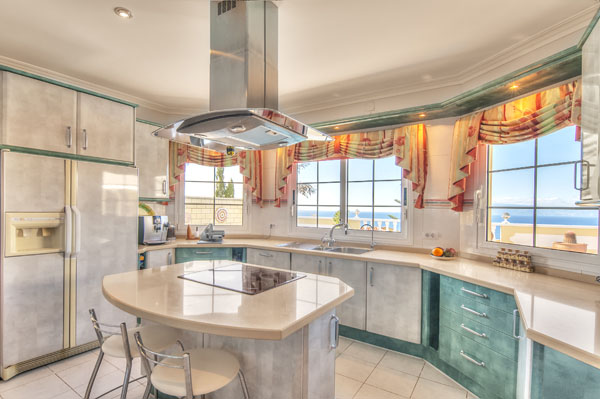
The kitchen is also where sheen has to be coordinated with the cabinets, and that is a bigger call than the walls alone. Cabinets and interior doors take the most touching of any surface in the house, so they get semi-gloss or a gloss enamel that wipes clean and holds a sharp line against the wall color. If your kitchen refresh includes the cabinets, ask about coordinating the wall sheen with our cabinet painting and the right cabinet sheen so the whole room reads as one finished project rather than new walls around dated cabinets. Get a free itemized estimate and we will map the sheen for every surface before a can is opened.
The Wear-and-Light Cheat Sheet, Room by Room
Pulling it together, here is the sheen we recommend for each part of a typical Georgia home. It is a starting point, not a rule, because the light and the traffic in your specific rooms can move any of these up or down a step.
- Ceilings: flat, or matte in steamy baths and laundry rooms. Hides texture, kills glare overhead.
- Living rooms and formal dining: eggshell. Calm, low-glare, forgiving of wall flaws in raking light.
- Bedrooms: eggshell for adults, satin for kids' rooms where the walls take more abuse.
- Hallways and stairwells: satin. High-traffic, high-touch, needs to wipe clean.
- Kitchens: satin walls, semi-gloss on the splash and wipe zones, semi-gloss or gloss on cabinets.
- Bathrooms and laundry: satin walls, semi-gloss around the sink and tub, mildew-resistant matte or eggshell ceiling.
- Trim, doors, and crown molding: semi-gloss or gloss. Durable, wipeable, and sharp against the wall.
"After 42 years painting Gwinnett interiors, the finished rooms that hold up best are never the ones with the fanciest color. They are the ones where the sheen was matched to how the room actually gets used and lit."
Whatever sheen a room calls for, the paint quality underneath it matters just as much. SPPI uses premium Sherwin-Williams and Benjamin Moore interior lines as standard, never builder-grade paint, and a premium eggshell cleans and holds color far better than a cheap satin. Cheap paint in a higher sheen still looks cheap, and it burnishes to a shiny spot the first time you scrub it. You can see the full scope on our interior painting services in metro Atlanta page.
When Choosing a New Sheen Is the Wrong Call, and We Will Tell You
We would rather lose a quick job than book one we know will disappoint. Do not chase a glossier, more scrubbable sheen to cover a wall that is actually damaged, cracked, or carrying an unresolved moisture stain, because a higher sheen makes flaws worse, not better. Shine amplifies every nail pop, patch, and wavy plaster seam, so a flawed wall wants prep and repair first, then a lower sheen, not a coat of semi-gloss trying to hide the problem. And if a ceiling stain keeps bleeding back through, that is a leak to fix before any paint, and in some cases another trade's work entirely, since SPPI is a painting contractor, not a roofer or a general contractor. If your existing sheen still cleans well and the walls look sound, you may not need to repaint that room at all yet, and we will tell you to spend the project on the worn hallway or kitchen instead.
Why the Room, Not Just the Color, Decides the Sheen
The thread through all of this is simple. Color is the fun part, but sheen is the part that decides whether a room cleans up after a Georgia summer, hides its flaws in the winter light, and still looks sharp in five years. Flat overhead, eggshell where you relax, satin where the family lives hard, and semi-gloss where water and hands hit the walls. Match the sheen to how the room actually gets used and lit, and the whole house reads as genuinely repainted rather than just recolored.
Every SPPI interior project starts with a walk-through where we read the light and the wear in each room, followed by proper cleaning, drywall and trim repair, priming, and premium Sherwin-Williams and Benjamin Moore coatings in the right sheen for every surface, all by our own trained W-2 crews supervised daily by an English-speaking foreman, and backed by a standard 1-year interior warranty on labor and materials. Nobody's perfect, but we get pretty darn close, and matching the sheen to the room before we open a can is a big part of how we get there.
Frequently Asked Questions
What paint finish should you use for trim and doors?
Trim, doors, and crown molding should be semi-gloss or gloss, and this is the one place in the house where you want the shine on purpose. Trim and doors take more direct hand contact than any wall, so they need a hard, wipeable finish that shrugs off scuffs and fingerprints, and a glossier trim gives you the crisp, sharp line against the flatter wall color that makes a repaint read as finished rather than fuzzy. Semi-gloss is the standard choice for baseboards, casing, and doors, while a full gloss enamel is reserved for front doors, cabinets, and statement millwork where you want the extra durability and depth. Because trim is usually straight, milled wood, the higher sheen does not spotlight flaws the way it would on a broad plaster wall, so the durability comes almost free. SPPI sprays or brushes trim and doors in a premium enamel matched to the wall sheen on every interior job.
Does paint sheen matter in humid Georgia homes?
Yes, sheen matters more in a humid climate like metro Atlanta's, not less. Our long, humid summers from May through September keep indoor moisture high, and closed-up kitchens, bathrooms, and laundry rooms stay damp far longer here than in a dry climate, which is exactly the condition where a too-flat wall grows mildew, streaks when you wipe it, and wears out fast. That is why we push the wet, high-touch rooms toward satin and semi-gloss in Georgia homes: tighter, tougher finishes resist moisture and clean up without burnishing. The flip side is that our bright afternoon sun rakes hard across west- and south-facing walls, and a high sheen there lights up every flaw, so in sun-raked living rooms and bedrooms we lean back toward eggshell. Sheen in a Georgia home is a balance between the humidity that wants a tougher finish and the light that wants a softer one, and reading that balance room by room is what our estimators do on every walk-through.
Get a Straight Read on Your Interior Project
The surest way to know which sheen each room actually wants, and how much prep the walls need first, is to have someone who paints these metro Atlanta interiors walk the space with you and read the light and the wear. We offer free, detailed, itemized estimates with a 48-hour response window, and we guarantee no change-order surprises. The number we quote is the number you pay. Call us at 770-985-3075 or request one online.
Learn more about our interior painting services across Gwinnett County, see how we approach interior painting in Duluth, or read about cabinet painting and the right cabinet sheen as part of a coordinated interior refresh.
Request your free interior painting estimate today and let Southern Perfection Painting match the right sheen to every room before the Georgia winter.